
Starting a writing camp with friends
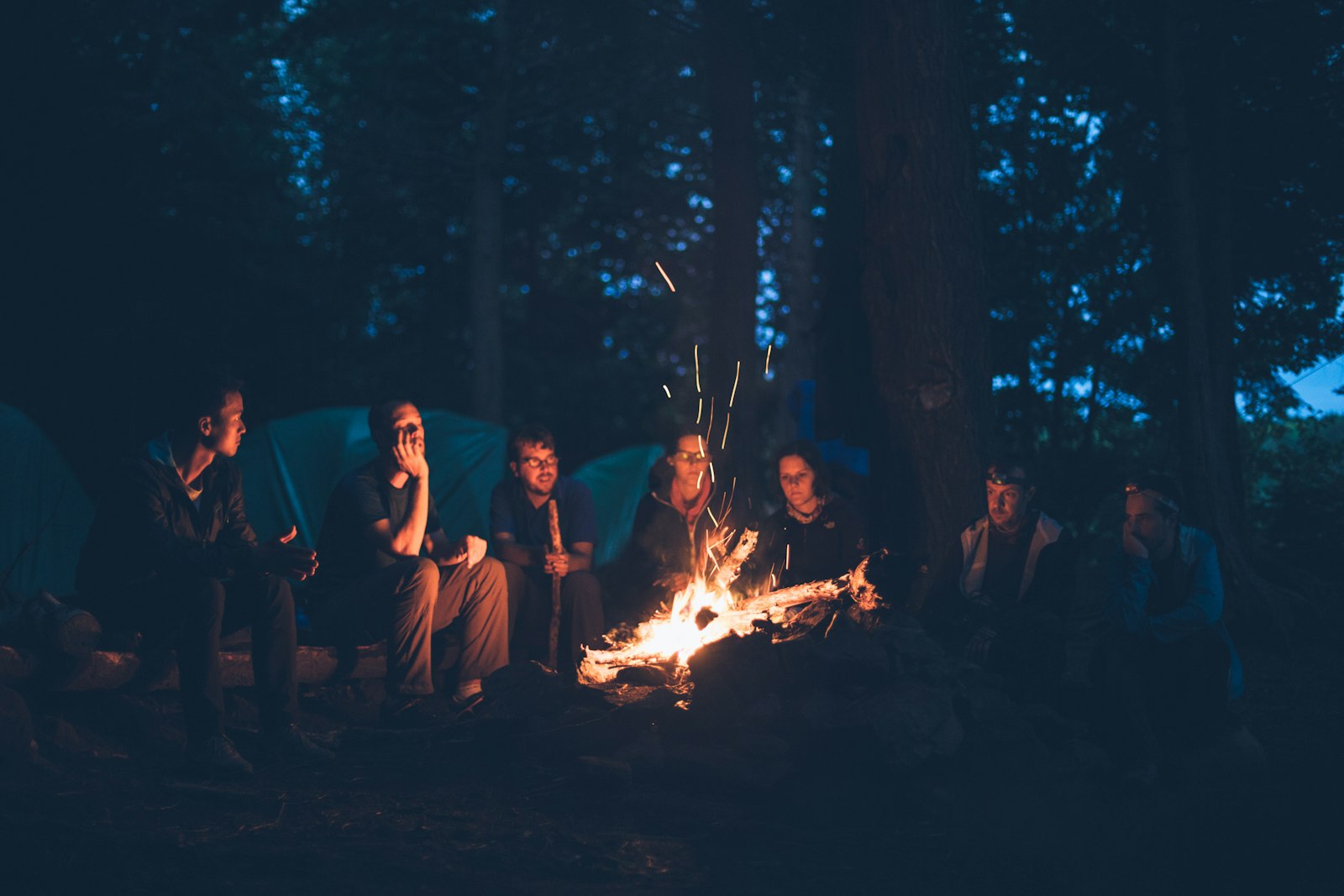
Most writing groups start the same way. Someone says, half joking, that they would write more if anyone were waiting for it. Somebody else says they would too. A week later there is a group chat with a name and a lot of enthusiasm, and a month after that it has gone quiet. Nobody fell out. The group simply never decided what it was for.
A camp, the way we use the word here, is a small group of writers who agree to write alongside each other: to publish on a rhythm, to read what the others publish, and to answer it. It is less formal than a workshop and more committed than a list of friends who occasionally like each other's posts. What follows is how we would suggest setting one up so that it is still going in six months.
Decide what the camp is for
Before you invite anyone, write one sentence that says why the camp exists. Not a mission statement, just a plain promise. For example:
- “We each publish one post a fortnight and read everyone else's.”
- “We are all writing about the town we grew up in, and we want to see where it goes.”
- “We want to get better at short essays, so we give each other honest notes.”
The sentence matters because it tells people what they are saying yes to. A camp built around reading each other is a different commitment from one built around detailed critique, and both are different from a camp that mostly wants company while writing. If you are not sure, start with the lightest version. It is easy to ask for more later and awkward to ask for less.
Keep it small at first
Three to six people is a good size for a new camp. With fewer than three, one busy month leaves a single person talking to themselves. With more than six, nobody can read everything, and the promise to read each other quietly becomes a promise to read some of each other.
Invite people who already write, even a little, and who you would genuinely like to read. Mixed experience is fine and often good: a newer writer brings energy, a more practised one brings habits worth copying. What matters more is that everyone wants roughly the same thing from the camp. A person who wants line-by-line edits will be frustrated in a group that mostly wants to cheer each other on, and the other way round.
Ask each person directly rather than announcing the camp to everyone you know. A personal invitation is easier to say yes to, and easier to decline gracefully.
Agree on a rhythm, not a word count
The most useful thing a camp can agree on is when things happen. Word counts invite comparison and guilt. A rhythm gives people something to plan around.
A simple rhythm might look like this:
- Everyone publishes something on their own blog by the end of every second Sunday.
- During the following week, everyone reads the others' posts and leaves at least one considered reply.
- Once a month, someone writes a short round-up of what the camp published.
Keep the bar for “something” low. A short post counts. A half-finished idea, clearly labelled, counts. The point of the rhythm is to keep everyone showing up, not to produce a magazine. If a person misses a round, nothing happens except that they are welcome back next time.
Give the camp a place to gather
A camp needs somewhere its writing comes together, so that members are not hunting for each other's posts. On this site each writer has their own blog at /their-handle/, with posts, categories and tags, and every blog has its own RSS feed at /their-handle/feed.xml. That gives a camp a few simple tools:
- A shared tag. Agree on one tag that every camp post carries, so readers can follow the thread across several blogs.
- Each other's feeds. Ask every member to add the others' feeds to a feed reader. New posts then arrive on their own instead of relying on someone remembering to share a link.
- A camp page or post. One member keeps a short post listing who is in the camp, what it is for and the current rhythm, and updates it when things change.
Writer accounts here are by invitation, so not everyone you want in a camp will have a blog on this site. That is fine. A camp is a promise between people, not a feature, and it works across blogs hosted in different places as long as everyone can find and read each other. If someone would like to write here, the contact page has a topic for exactly that. You can see what a blog here includes on the features page.
Run the first month on purpose
The first month sets the habits the camp will keep, so it is worth being a little deliberate.
Start with an easy prompt that everyone can answer, such as “why I write” or “a place I keep coming back to”. A shared starting point gives the first round of replies something to connect: people notice what they have in common and where they differ.
Whoever started the camp should reply to every post in the first round, and reply well. That means more than “loved this”. Pick out a line that stayed with you and say why. New members learn what a good reply looks like by seeing one. Our piece on giving feedback a writer can use goes into this in more detail.
At the end of the month, ask everyone one question: is the rhythm right? Adjust it then, before anyone has quietly given up on it.
When someone drifts
Every camp has quiet stretches. People get busy, lose interest, or go through something that makes writing feel unimportant. A camp that treats a missed round as a failure will lose people faster than one that simply leaves the door open.
If a member has been quiet for a while, send a short, private note that asks for nothing: you missed their writing, and they are welcome back whenever they like. If they say they want to step away, thank them and let them go cleanly. A smaller camp that still meets is better than a larger one that exists only on paper.
And if the whole camp drifts, that is not the end either. Pick a date, pick a prompt, and start a new round. Plenty of good camps have restarted more than once. What keeps them alive is not perfect attendance but the fact that, every so often, someone writes something and knows the others will read it.
Comments
No comments yet. Be the first to reply.